Cal.com iconCal.comGet
Cal.com icon

Cal.com

Open-source scheduling & booking

Cal.com, Inc. · Business & Teams

CheckedSelf-host free (MIT) · Cloud free + paid plans
Get — Official Source

Link verified · points to the developer’s official site

Rating

No public ratings yet

Trust

6/9

of nine checks verified · Jul 19, 2026

Platforms

3

Cloud (web), self-hosted (Docker / Node.js), iOS +1

Licence

MIT

Business & Teams

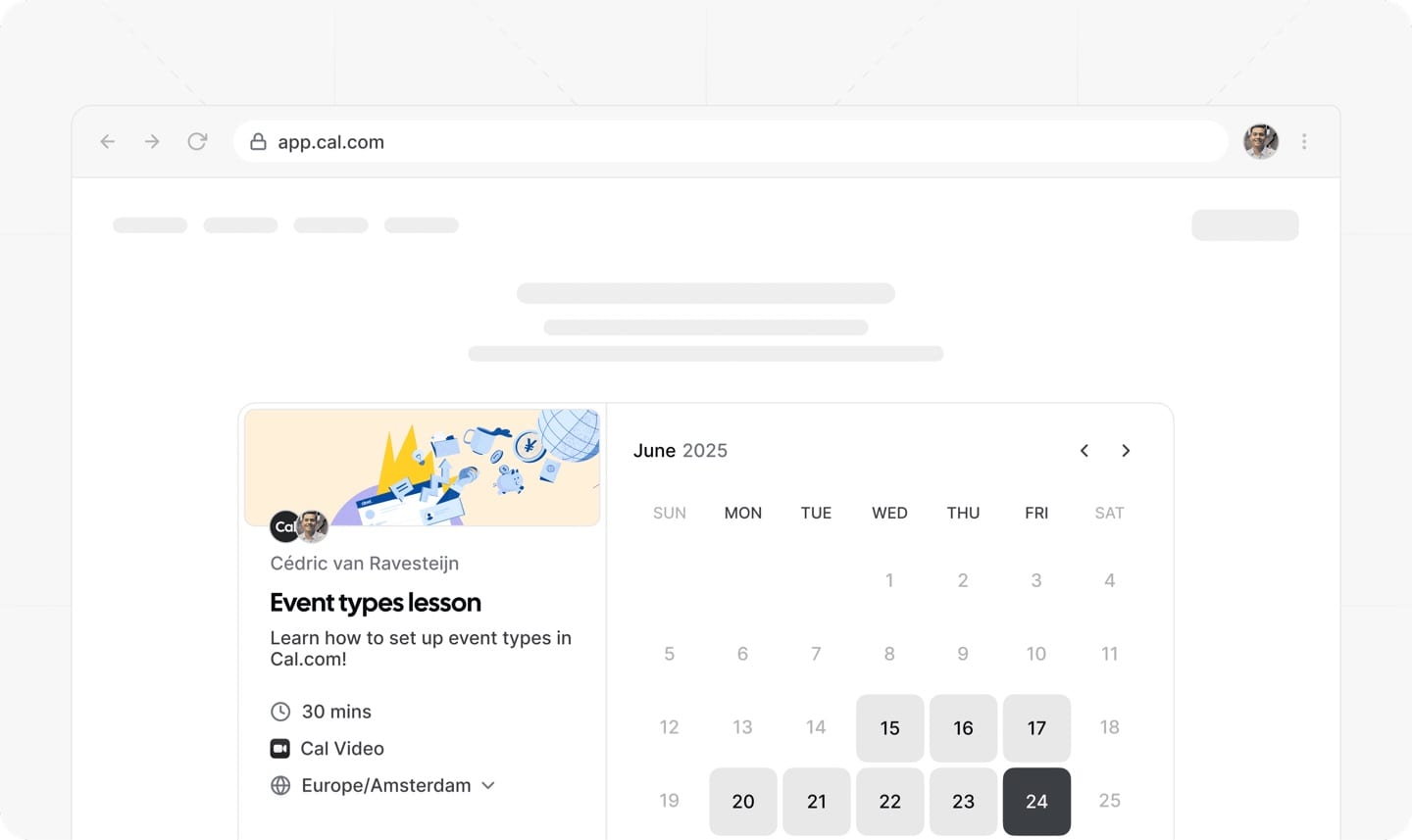
Cal.com screenshot 1 of 3
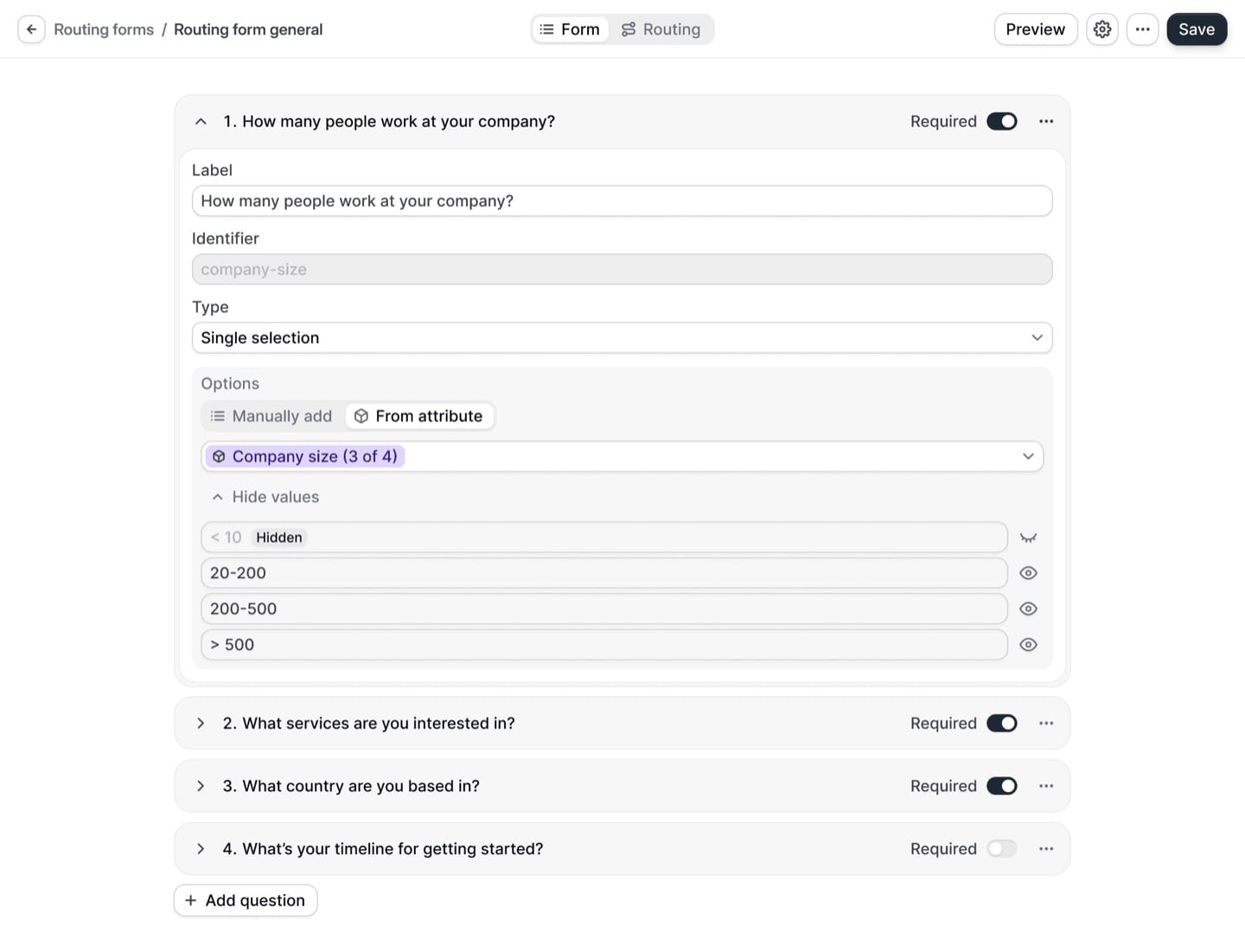
Cal.com screenshot 2 of 3
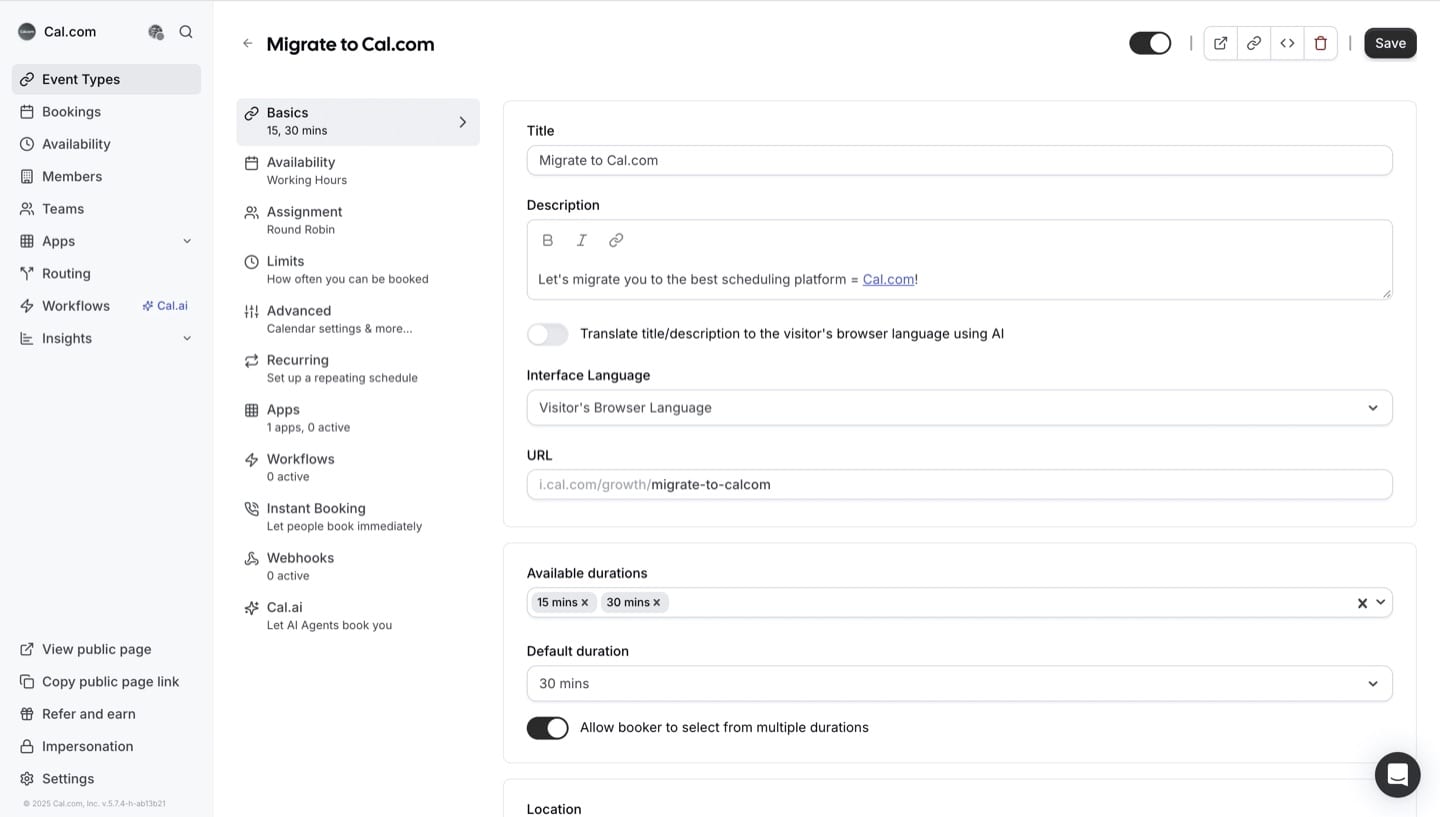
Cal.com screenshot 3 of 3

Trust Report

See Details ›

Independently checked by Altapp where possible; developer-reported data is labeled as such. Last full review: Jul 19, 2026.

Verified Source

Cal.com's self-hostable community edition is open source under MIT, but the Cal.com-branded cloud and enterprise product is proprietary (open-core).

  • The self-host community edition, now branded Cal.diy, is published on GitHub under the permissive MIT license
  • The Cal.com-branded production/cloud codebase moved to a private repository in 2026 and is closed source
  • The former public repo (calcom/cal.com) now redirects to calcom/cal.diy, with commercial features (Teams, Organizations, Workflows, Routing, Insights, SSO/SAML) removed from the open edition
  • The core was formerly AGPL-3.0-only with a separate commercial Enterprise License covering its /ee folder

Data & Permissions

Self-host to keep booking data on your own servers, or use the managed cloud, which is independently audited and handles standard calendar and booking data.

  • Self-hosting (Docker / Node.js) lets you keep booking and calendar data on your own infrastructure
  • The managed cloud states SOC 2 Type II compliance; check Cal.com’s trust page for current certifications
  • The hosted product states HIPAA, GDPR and CCPA compliance
  • Connects to external calendars and tools through 100+ integrations (Google/Outlook/Apple Calendar, Zoom, Stripe, HubSpot, Salesforce), so data flows to the services you enable

Known Risks

A few caveats to weigh before relying on it.

  • Open-core: the flagship product most people use (Cal.com cloud) is proprietary; only the reduced self-host edition is open source
  • In 2026 Cal.com took its production/cloud codebase closed-source, which reignited debate about open-source sustainability and self-hosting
  • Commercial features (Teams, Organizations, Workflows, Routing, Insights, SSO/SAML) are not included in the MIT self-host edition
  • Using the managed cloud sends your booking and calendar data to Cal.com's servers

Verification reflects the version listed above. Practices may change between releases. How we verify ›

Our verdict: the leading open-source Calendly alternative — the self-hostable community edition (Cal.diy) is genuinely MIT-licensed and lets you keep your data on your own servers, but the Cal.com-branded cloud and enterprise product is proprietary, so the flagship most people actually use is open-core rather than fully open source.

Cal.com is scheduling and booking infrastructure — an open-source Calendly alternative for arranging meetings and appointments. It offers configurable event types (durations, locations, buffers, booking limits), availability schedules with two-way calendar sync, conflict detection and automatic time-zone handling, team scheduling (round-robin, collective and managed events), routing forms, automated email/SMS workflows, 100+ app integrations, embeddable booking pages, payments and a public API. It runs as a hosted cloud service or self-hosted via Docker/Node.js, with iOS and Android apps, and is developed by Cal.com, Inc. (United States).

Being honest about scope: the open-source, self-hostable edition — now branded Cal.diy — is published under the permissive MIT license, but the Cal.com-branded cloud and enterprise product is proprietary, an open-core model. In 2026 Cal.com moved its production/cloud codebase into a private repository and relaunched the former public repo (calcom/cal.com, which now redirects to calcom/cal.diy) as MIT-licensed Cal.diy with commercial features (Teams, Organizations, Workflows, Routing, Insights, SSO/SAML) removed; the core was formerly AGPL-3.0-only with a separate commercial Enterprise License for its /ee folder. So the community self-host edition is genuinely open source, while the flagship cloud service most people use is closed source. The hosted product is independently audited (SOC 2 Type II, ISO 27001) and states HIPAA, GDPR and CCPA compliance.

Member reviews

LinkedIn-verified members

No reviews yet — be the first.

Loading…

Frequently asked questions

Is Cal.com free?

We could not verify a free tier. Pricing listed at our last review: “Self-host free (MIT) · Cloud free + paid plans”.

Is Cal.com safe to use?

Altapp's independent Trust Report (last full review Jul 19, 2026) records 6/9 of nine checks verified, covering source verification, data & permissions, and known risks. Altapp publishes no score or grade of its own — the count is a tally of what could be independently confirmed, and verification reflects the version listed on this page.

Which platforms does Cal.com run on?

Cloud (web) · self-hosted (Docker / Node.js) · iOS · Android.

Where can I find Cal.com alternatives?

Browse the Business & Teams category on Altapp for verified options.

Information

Developer
Cal.com, Inc.
Size
Self-hosted
Compatibility
Cloud (web) · self-hosted (Docker / Node.js) · iOS · Android
Languages
Multiple languages (community-translated UI)
License
MIT (Cal.diy self-host) · proprietary cloud
Country
United States
Latest Version
Cal.diy self-host v6.2.0 · Mar 2026